

MBR vs MBBR vs Conventional STP: What Works Best in Saudi Arabia?
Introduction
Choosing the right sewage treatment plant (STP) technology is one of the most important decisions for construction projects, labour camps, hotels, industrial facilities, and commercial developments in Saudi Arabia.
Today, project owners and consultants are increasingly comparing MBR, MBBR, and conventional STP systems to determine which solution offers the best performance, sustainability, and long-term value.
The challenge is that Saudi Arabia’s climate, water scarcity concerns, and environmental requirements create unique operational demands that not every wastewater treatment technology can handle efficiently.
In this guide, we compare MBR vs MBBR vs conventional STP in Saudi Arabia to help contractors, developers, and facility operators make the right wastewater treatment investment.
As a leading wastewater treatment company in the GCC region, Almasa KSA specializes in advanced MBR sewage treatment solutions designed for Saudi Arabia’s demanding conditions.
Understanding the Three Main STP Technologies
What Is a Conventional STP?
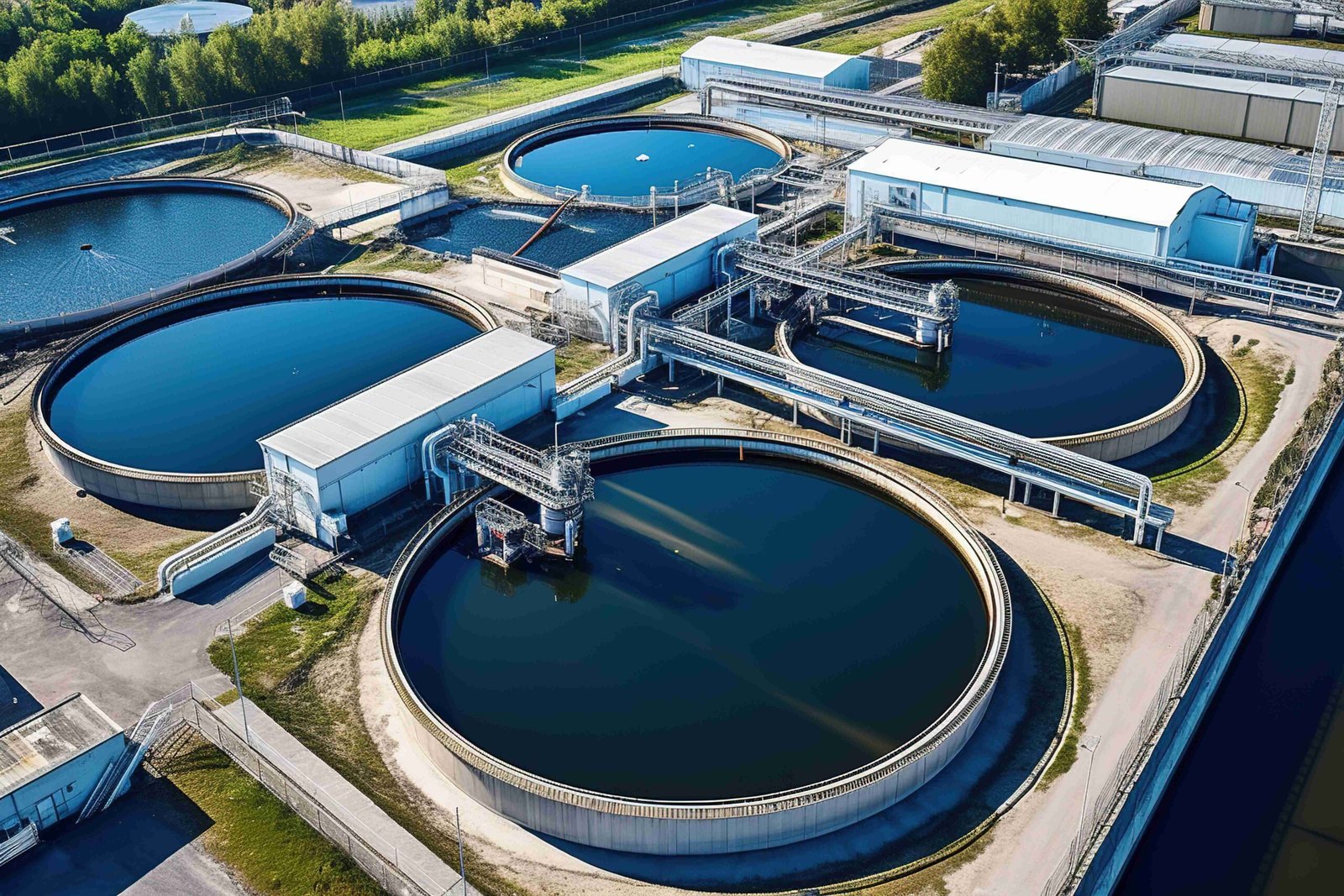
A conventional sewage treatment plant typically uses traditional biological treatment methods with sedimentation tanks for separating sludge and treated water.
These systems are commonly used in:
- Older facilities
- Low-budget projects
- Basic wastewater treatment applications
However, conventional STPs often require:
- Larger installation space
- Higher sludge management
- More maintenance
- Lower treated water quality
What Is an MBBR System?
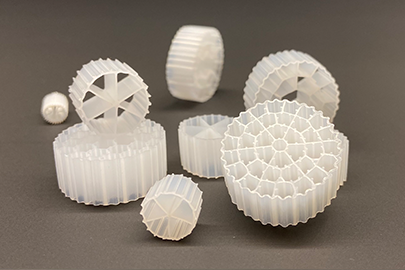
MBBR (Moving Bed Biofilm Reactor) technology uses plastic media carriers inside aeration tanks where biological treatment occurs.
MBBR systems improve treatment efficiency compared to conventional STPs and are widely used in:
- Commercial projects
- Medium-scale wastewater treatment
- Industrial applications
Advantages include:
- Improved biological treatment
- Smaller footprint than conventional systems
- Operational flexibility
However, treated water quality may still require additional filtration for reuse applications.
What Is an MBR System?
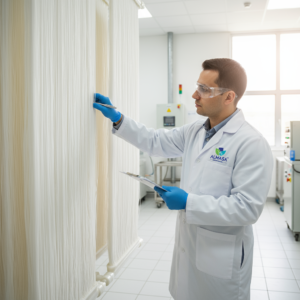
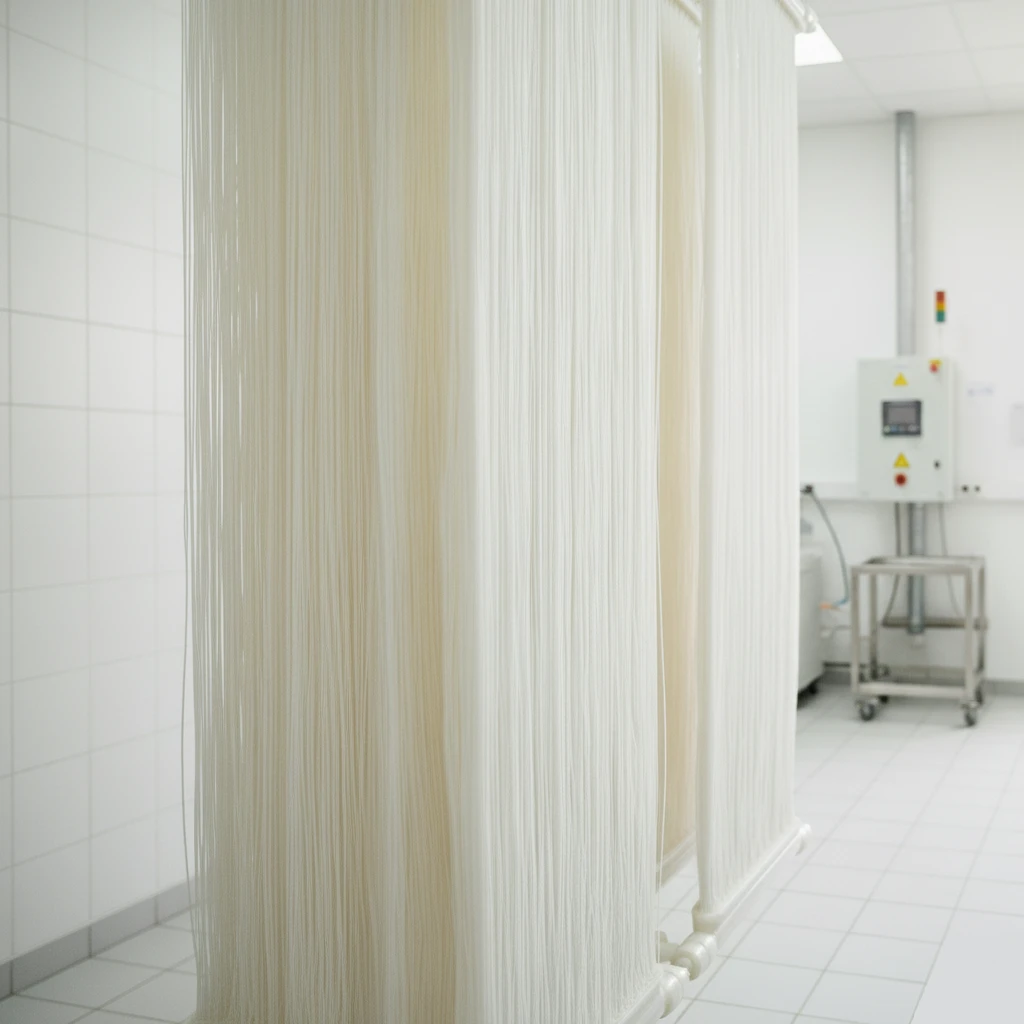
MBR (Membrane Bioreactor) combines biological treatment with advanced membrane filtration.
Instead of traditional settling tanks, MBR systems use hollow fiber membranes to separate treated water from sludge.
This produces:
- Extremely high-quality effluent
- Lower suspended solids
- Reduced bacteria levels
- Superior water clarity
Almasa KSA specializes in advanced MBR technology using high-performance membrane systems engineered for GCC environmental conditions.
MBR vs MBBR vs Conventional STP: Key Comparison
1. Treated Water Quality
Conventional STP
Produces moderate-quality treated water that may not always meet reuse standards without additional treatment.
MBBR
Provides better treatment efficiency than conventional systems but may still require polishing systems for reuse applications.
MBR
Produces the highest quality treated water among all three technologies, making it ideal for:
- Irrigation
- Flushing
- Landscaping
- Water reuse applications
For Saudi Arabia, where water reuse is increasingly important, MBR systems provide a major advantage.
2. Space Requirement
Conventional STP
Requires large tanks and extensive civil infrastructure.
MBBR
More compact than conventional systems.
MBR
Offers the most compact design due to membrane separation technology.
This makes MBR ideal for:
- Labour camps
- Hotels
- Urban developments
- Commercial facilities
- Projects with limited installation space
3. Performance in Saudi Climate Conditions
Saudi Arabia’s extreme temperatures can impact wastewater treatment performance.
Conventional Systems
May face operational instability under fluctuating loads and harsh conditions.
MBBR
Handles varying loads better than conventional systems.
MBR
Offers highly stable performance with better control over biological treatment and effluent quality.
MBR systems are particularly effective for:
- Remote camps
- Infrastructure projects
- Industrial facilities
- High-temperature environments
4. Water Reuse Capability
Water conservation is becoming a major priority across Saudi Arabia.
Conventional STP
Limited reuse capability without advanced tertiary treatment.
MBBR
Can support reuse with additional polishing systems.
MBR
Naturally supports high-quality water reuse due to superior filtration performance.
This can help facilities reduce:
- Freshwater consumption
- Tanker dependency
- Water utility costs
5. Long-Term Operational Efficiency
Conventional STP
Often involves:
- Higher sludge generation
- Greater maintenance requirements
- Inconsistent treatment quality
MBBR
Improves operational efficiency but may still require multiple treatment stages.
MBR
Provides:
- Stable operation
- Lower footprint
- Better automation
- Consistent effluent quality
- Strong long-term performance
Although initial investment may be higher, MBR systems often provide better lifecycle value.
Which STP Technology Is Best for Saudi Arabia?
The best sewage treatment technology depends on:
- Project type
- Wastewater load
- Reuse requirements
- Available space
- Operational goals
However, for most modern Saudi projects focused on sustainability, water reuse, and environmental compliance, MBR technology is increasingly becoming the preferred solution.
MBR systems are especially suitable for:
- Labour camps
- Hotels & resorts
- Commercial buildings
- Infrastructure projects
- Industrial facilities
- Remote accommodations
Why MBR Technology Is Growing Rapidly in Saudi Arabia
Saudi Arabia is investing heavily in:
- Sustainability
- Environmental compliance
- Water conservation
- Smart infrastructure
This is driving demand for advanced wastewater treatment systems that can:
- Reduce freshwater demand
- Improve reuse efficiency
- Minimize environmental impact
- Support Vision 2030 goals
MBR technology aligns strongly with these requirements.
Why Choose Almasa KSA for MBR STP Solutions?
Almasa KSA provides advanced wastewater treatment systems tailored for Saudi Arabia’s operational conditions.
Key advantages include:
- Strong MBR expertise
- GCC project experience
- Advanced membrane technology
- Fast technical support
- Customized wastewater solutions
- Sustainability-focused engineering
- Reliable after-sales service
Almasa also benefits from strong regional manufacturing capabilities and extensive experience across wastewater treatment applications.
Applications of MBR Systems in Saudi Arabia
MBR sewage treatment plants are commonly used in:
- Labour camps
- Hotels
- Residential compounds
- Industrial plants
- Commercial developments
- Construction projects
- Oil & gas facilities
- Infrastructure camps
Future of Wastewater Treatment in Saudi Arabia
As Saudi Arabia continues expanding infrastructure and sustainability initiatives, advanced wastewater reuse technologies will become increasingly important.
Modern projects are now prioritizing:
- Compact STP systems
- Treated water reuse
- Operational efficiency
- Environmental compliance
- Reduced lifecycle costs
This trend is expected to accelerate adoption of advanced MBR wastewater treatment systems throughout the Kingdom.
Conclusion
When comparing MBR vs MBBR vs conventional STP in Saudi Arabia, each technology offers different advantages depending on project requirements.
However, MBR technology stands out for:
- Superior treated water quality
- Compact footprint
- Strong reuse capability
- Operational stability
- Long-term sustainability
For projects seeking reliable wastewater treatment with strong environmental performance and water reuse potential, MBR systems are becoming one of the most effective choices in Saudi Arabia.