

Greywater Retrofit Feasibility: 7 Essential Checks for Existing Saudi Hotels
Greywater retrofit feasibility depends on how your hotel is already built and operated. Recovering water from guest showers and bathroom basins may look straightforward on a treatment diagram, but the existing drains, service shafts and reuse pipework determine whether the project can be installed practically.
For an operating Saudi hotel, the decision should also account for rooms taken out of service, installation access and the team that will manage the system. Before selecting equipment, use these seven checks to identify the evidence needed for a realistic proposal.
Quick answer: what establishes greywater retrofit feasibility?
A hotel needs a recoverable source, feasible collection and distribution routes, suitable plant space, an approved reuse application and an operating plan. Compare whole-building installation with smaller phased options. Treatment capacity alone cannot demonstrate feasibility when access, plumbing separation or dependable demand remains unresolved.
Seven checks for greywater retrofit feasibility
1. Trace the existing drains to their actual connections
Start with as-built drainage drawings, then have a competent plumbing team verify representative routes on site. Identify where shower and basin branches connect to stacks and where they join toilet wastewater. Mark uncertain connections for investigation rather than assuming the drawings are complete.
The SFPUC onsite water reuse guidebook distinguishes greywater sources from combined wastewater containing toilet or kitchen flows. Its definitions provide a useful technical reference; its San Francisco approval process is not a Saudi requirement.
Do not automatically include hotel laundry or kitchen drainage. Record each proposed source separately and have its suitability assessed. If suitable branches cannot be intercepted before mixing, the project scope needs reconsideration.
2. Identify collection routes that can be installed
Walk the proposed route from the selected guest rooms to the treatment location. Check accessible shafts, ceiling voids, floor crossings and plant-room connections. Ask the designer to establish whether gravity collection works or pumping is required.
Record the work needed to open and reinstate ceilings, finishes and service enclosures. Confirm whether neighbouring rooms or floors are affected even when the collection point is elsewhere.
A useful greywater retrofit feasibility review compares at least the practical options available: collecting one accessible wing, coordinating installation with bathroom refurbishment, or extending collection across the hotel. A smaller collection area may deserve evaluation before assuming every room must be connected.
3. Match recoverable supply with a reachable reuse demand
Use available meter readings, occupancy records and fixture information to estimate the recoverable flow. Compare it with the intended demand at similar times and under different occupancy conditions. Do not treat the hotel’s entire water bill as recoverable greywater.
EPA WaterSense guidance for commercial facilities recommends matching alternative water sources with appropriate uses and treatment needs. Toilet flushing or irrigation may be candidates for assessment, subject to the hotel’s applicable requirements.
Illustrative example: if an assessed system supplies 12 cubic metres of usable treated water per day but the connected demand is only 8, same-day substitution cannot exceed 8 cubic metres. Storage, timing, downtime and quality constraints still require evaluation; this is not a hotel savings forecast.
4. Prove that the complete installation fits
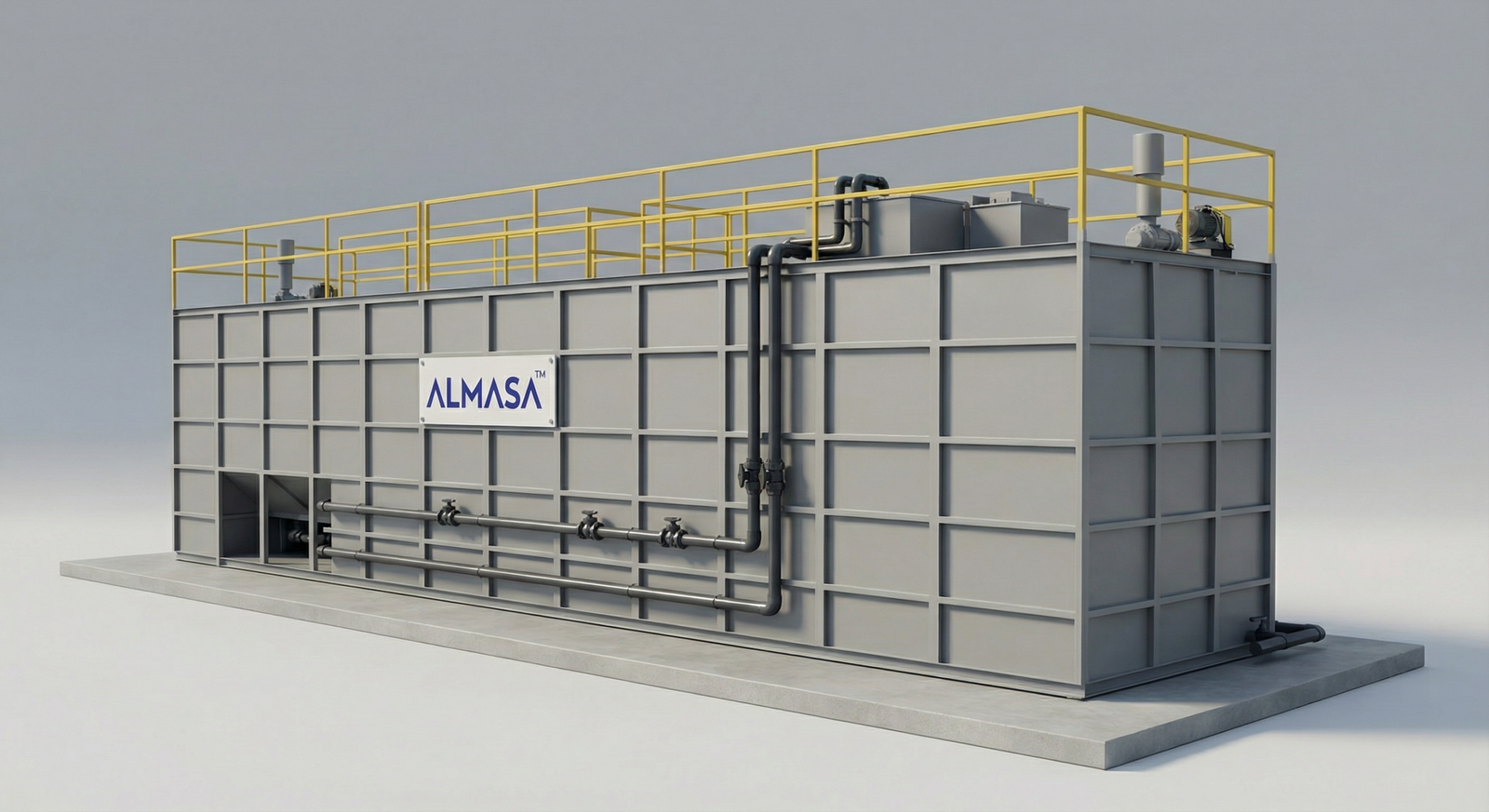
Ask for a layout showing collection storage, treatment, treated-water storage, pumps and controls, together with maintenance clearances. Check delivery and replacement routes, not just the equipment footprint.
The greywater retrofit feasibility review should also identify power, drainage, ventilation and any structural assessment needed for the proposed location. Discuss noise and odour management where plant space adjoins guestrooms or public areas.
Request current manufacturer installation requirements for the selected equipment. A compact unit is only useful if staff can inspect, clean and remove its serviceable components without dismantling hotel facilities each time.
5. Establish a separate distribution and approval plan
Trace the treated-water route to the proposed outlets. Existing toilet supplies may share pipework with outlets that must remain potable, so collection feasibility does not automatically establish distribution feasibility.
EPA onsite reuse research specifically evaluates microbial risks and cross-connections. Ask the plumbing designer to address separation, identification, appropriate backflow protection and verification before the reuse system enters service.
For the Saudi project, have the consultant identify the applicable plumbing, building and reuse requirements with the responsible authorities. Confirm permitted sources, end uses, treatment targets and inspections. International guidance does not establish automatic local approval or one universal water-quality limit.
6. Plan construction around an operating hotel
Turn the route survey into a phased work plan. List affected rooms, shutdown windows, temporary arrangements, deliveries and reinstatement. Coordinate with the hotel’s actual booking calendar and planned refurbishment work.
Use this greywater retrofit feasibility comparison to expose disruption early:
| Option | Evidence needed |
|---|---|
| Accessible wing first | Recoverable flow, reachable demand and independent isolation |
| Bathroom refurbishment phase | Room programme, connection details and reinstatement scope |
| Whole-building installation | Verified routes, coordinated shutdowns and complete distribution plan |
Do not promise uninterrupted guest services before these arrangements are agreed. Compare the options using documented constraints rather than a treatment-equipment price alone.
7. Confirm who will operate it and what happens during faults
Assign responsibility for inspections, maintenance, monitoring and alarm response. Define what prevents unsuitable water from reaching reuse outlets and how the hotel maintains service when recovered water is unavailable.
The EPA onsite non-potable reuse resources emphasise appropriate treatment for building-scale reuse. Clear appearance alone should not be the release decision.
Include testing, servicing, energy, consumables and future replacement in the operating assessment. Document unresolved items before advancing the greywater retrofit feasibility study to detailed design.