

STP Design in Saudi Arabia: 10 Engineering Factors Every Developer Should Know
Designing a Sewage Treatment Plant (STP) is one of the most critical stages of any residential, commercial, industrial, or infrastructure project. A well-designed system ensures reliable wastewater treatment, environmental compliance, operational efficiency, and long-term cost savings. On the other hand, poor planning can result in frequent breakdowns, increased maintenance costs, system upgrades, and regulatory challenges.
As Saudi Arabia continues to invest in mega projects, residential compounds, labour accommodations, industrial facilities, hospitality developments, and smart cities under Vision 2030, selecting the right STP Design in Saudi Arabia approach has become more important than ever.
Whether you are a developer, consultant, EPC contractor, or project manager, understanding the engineering principles behind sewage treatment plant design will help you make informed decisions and maximize the return on your investment.
Why Proper STP Design Matters
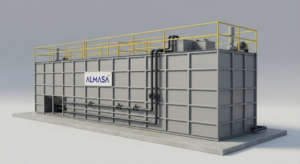
A sewage treatment plant is more than just tanks, pumps, and blowers. Every component must work together to ensure wastewater is treated efficiently while meeting environmental standards and supporting future operational requirements.
An effective STP design helps:
- Protect the environment
- Reduce operating costs
- Improve treated water quality
- Support water reuse initiatives
- Extend equipment lifespan
- Simplify maintenance
- Ensure compliance with local regulations
For projects across Saudi Arabia, investing in proper engineering during the design stage can prevent costly modifications later.
1. Understand the Wastewater Source Before Designing
Every project generates different wastewater characteristics.
For example:
- Residential compounds
- Labour camps
- Hotels
- Industrial facilities
- Commercial buildings
- Healthcare facilities
Each application produces different wastewater volumes and pollutant loads.
Before selecting equipment, engineers should evaluate:
- Daily wastewater generation
- Peak flow rates
- Biological Oxygen Demand (BOD)
- Chemical Oxygen Demand (COD)
- Total Suspended Solids (TSS)
- Oil and grease levels
- Future expansion requirements
Without accurate data, even the best technology may underperform.
2. Design for Future Expansion
Many projects in Saudi Arabia are developed in multiple phases.
Developers often add:
- Additional residential buildings
- Worker accommodations
- Commercial units
- Recreational facilities
Designing the STP only for current demand may require expensive upgrades in the future.
A modular and scalable design allows the plant to grow alongside the development while reducing future capital expenditure.
3. Choose the Right Treatment Technology
Selecting the right treatment technology is one of the most important engineering decisions.
Common options include:
Conventional Activated Sludge: Suitable for some applications but generally requires a larger footprint and more operator attention.
MBBR (Moving Bed Biofilm Reactor): Offers good treatment performance with moderate operational complexity.
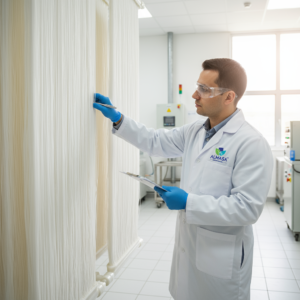
MBR (Membrane Bioreactor): MBR technology combines biological treatment with membrane filtration to produce high-quality treated water suitable for reuse in many non-potable applications.
Benefits include:
- Compact footprint
- Excellent effluent quality
- Better odor control
- Reduced sludge production
- Reliable operation under variable loads
The right technology should be selected based on project objectives, available space, and long-term operational goals rather than upfront cost alone.
4. Accurately Size the STP
An undersized plant may struggle to meet treatment requirements during peak occupancy, while an oversized plant increases unnecessary capital and operating costs.
Proper sizing should consider:
- Number of users
- Water consumption per person
- Peak flow factors
- Future occupancy
- Seasonal demand variations
Accurate sizing improves efficiency and extends equipment life.
5. Plan for Water Reuse
Water scarcity remains one of Saudi Arabia’s biggest environmental challenges.
Many modern developments now reuse treated wastewater for:
- Landscape irrigation
- Toilet flushing
- Dust suppression
- Cooling towers
- Green spaces
Designing an STP with reuse in mind can significantly reduce freshwater consumption and long-term operating costs.
6. Optimize Equipment Selection
High-quality equipment directly influences system reliability and maintenance costs.
Key equipment includes:
- Blowers
- Pumps
- Diffusers
- Membranes
- Screens
- Control panels
- Sludge handling systems
Developers should evaluate equipment based on:
- Energy efficiency
- Spare parts availability
- Ease of maintenance
- Long-term reliability
7. Incorporate Automation and Smart Monitoring
Modern STPs increasingly use automation to improve operational efficiency.
Automation systems may include:
- PLC controls
- SCADA integration
- Remote monitoring
- Alarm notifications
- Automated process adjustments
These systems reduce manual intervention, improve response times, and support predictive maintenance.
8. Address Odor and Noise During the Design Stage
STPs located near residential or commercial areas should be designed with odor and noise control in mind.
Effective solutions include:
- Covered tanks
- Proper ventilation
- Odor control units
- Acoustic enclosures for blowers
- Strategic equipment placement
This improves community acceptance and minimizes complaints.
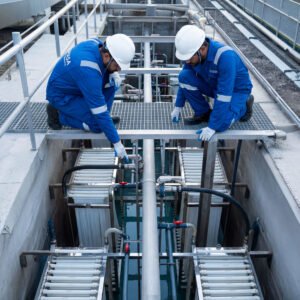
9. Prioritize Ease of Operation and Maintenance
An efficient STP should be easy to operate and maintain throughout its lifecycle.
Design considerations include:
- Safe equipment access
- Maintenance walkways
- Modular components
- Clear instrumentation
- Accessible control panels
Reducing maintenance complexity helps minimize downtime and operating costs.
10. Work with an Experienced STP Engineering Partner
The success of an STP depends not only on equipment but also on engineering expertise.
An experienced wastewater treatment specialist can assist with:
- Process selection
- Hydraulic calculations
- Equipment sizing
- Technology comparison
- Water reuse planning
- Commissioning support
- Long-term maintenance strategies
Working with the right partner reduces project risks and ensures the system delivers reliable performance for years to come.
Why MBR Technology Is Becoming the Preferred Choice
Across Saudi Arabia, developers increasingly choose Membrane Bioreactor (MBR) systems because they offer:
- Superior treated water quality
- Compact installation
- Better water reuse capability
- Lower environmental impact
- Reliable operation under fluctuating loads
MBR technology is particularly suitable for:
- Residential compounds
- Labour camps
- Hotels
- Commercial buildings
- Industrial facilities
- Infrastructure projects
Why Choose Almasa KSA?
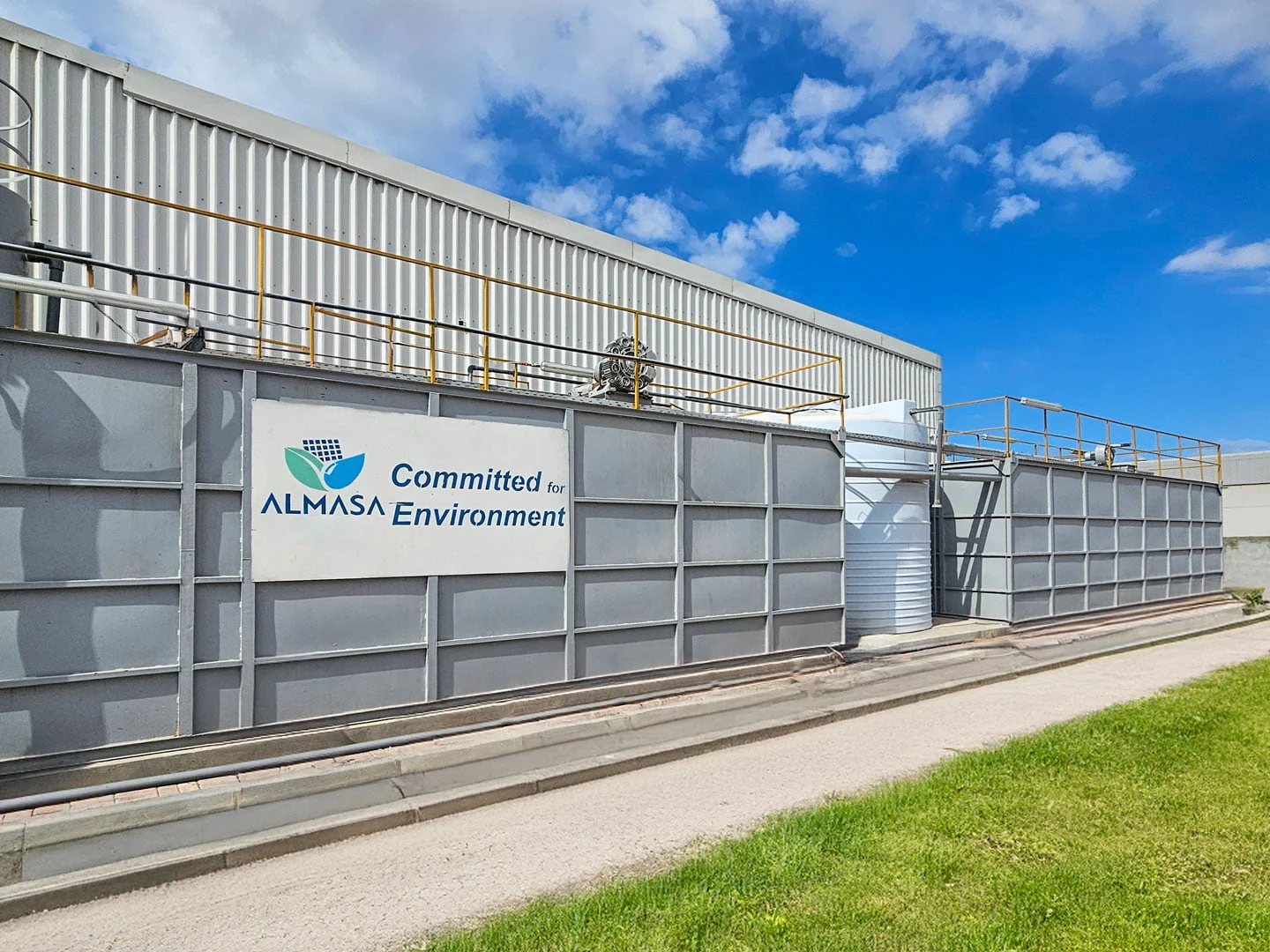
Almasa KSA delivers advanced wastewater treatment solutions tailored to the unique requirements of projects across Saudi Arabia.
Our expertise includes:
- Sewage Treatment Plants (STP)
- Effluent Treatment Plants (ETP)
- Greywater Treatment Systems
- MBR Technology
- STP Upgrades and Retrofits
- Operation & Maintenance Services
Why clients trust Almasa:
- 600+ GCC projects completed
- Advanced MBR membrane expertise
- Customized engineering solutions
- Fast technical support
- Sustainability-focused designs
- Strong after-sales service
- Commitment to long-term customer success
Whether you are designing a new development or upgrading an existing facility, our engineering team provides practical, cost-effective solutions built for Saudi Arabia’s operating conditions.
Conclusion
Effective STP Design in Saudi Arabia is about much more than selecting equipment. It requires a clear understanding of wastewater characteristics, future expansion, treatment technology, water reuse opportunities, and long-term operational requirements.
By focusing on these ten engineering factors, developers can reduce project risks, improve environmental performance, and create wastewater treatment systems that deliver reliable results for decades.
As Saudi Arabia continues to invest in sustainable infrastructure, choosing the right STP design partner will be a key factor in the success of every project.