

How Much Does a Sewage Treatment Plant Cost in Saudi Arabia?
Introduction
One of the most common questions asked by developers, contractors, industrial facility owners, and project consultants is:
“How much does a sewage treatment plant cost in Saudi Arabia?”
The answer depends on several technical and operational factors. There is no fixed price because every sewage treatment plant (STP) is designed according to wastewater flow, treatment requirements, available space, reuse objectives, and project specifications.
Understanding these cost factors can help organizations make informed investment decisions while ensuring compliance, sustainability, and long-term operational efficiency.
At Almasa KSA, we help clients across Saudi Arabia design and implement customized wastewater treatment systems that balance performance, reliability, and lifecycle cost.
What Determines the Cost of a Sewage Treatment Plant?
The cost of an STP depends on several important factors.
1. Plant Capacity
Capacity is one of the biggest cost drivers.
Examples include:
- 50 m³/day
- 100 m³/day
- 250 m³/day
- 500 m³/day
- 1,000+ m³/day
Larger plants require:
- bigger tanks
- larger pumps
- more equipment
- increased civil works
As capacity increases, overall project cost also increases.
2. Treatment Technology
The selected technology significantly affects capital and operational costs.
Conventional STP
Lower initial investment but larger footprint and lower treated water quality.
MBBR System
Improved efficiency with moderate investment.
MBR System
Higher initial investment but superior effluent quality, compact design, and water reuse capability.
For projects focused on water reuse and sustainability, MBR systems often provide the best long-term value.
3. Water Reuse Requirements
If treated water will be reused for:
- irrigation
- landscaping
- flushing
- utility applications
additional treatment stages may be required.
Higher reuse standards typically increase project cost but also generate long-term savings through reduced freshwater consumption.
4. Installation Location
Project location has a major impact on total cost.
Factors include:
- site accessibility
- transportation
- remote locations
- civil construction requirements
- utility availability
Labour camps, industrial sites, and remote projects may require specialized designs and logistics planning.
5. Civil and Structural Requirements
Costs vary depending on whether the project requires:
- concrete tanks
- steel tanks
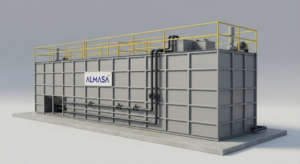
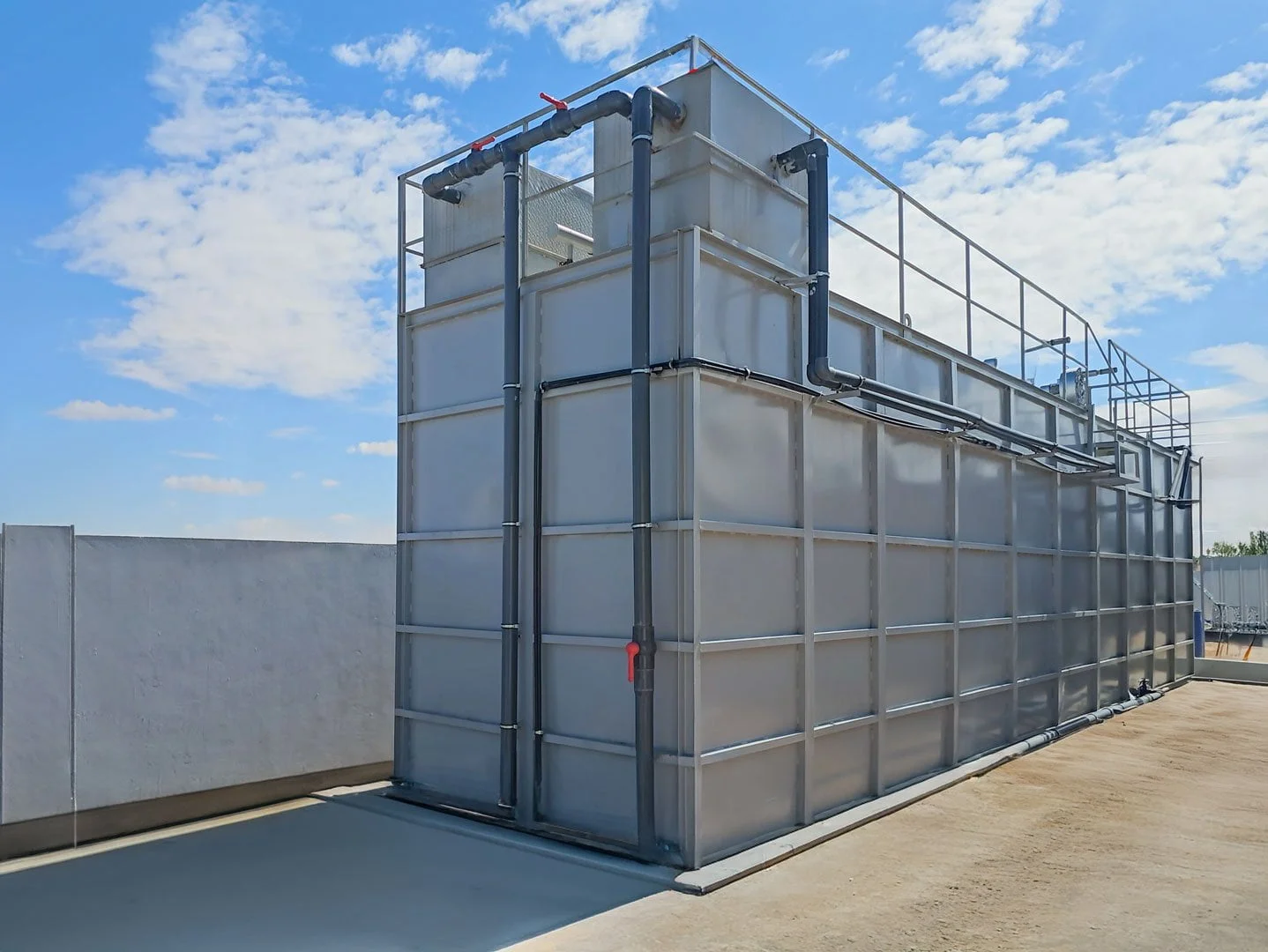
- packaged units
- underground installations
- above-ground installations
Civil construction can represent a significant portion of the total project budget.
6. Automation and Control Systems
Modern STPs often include:
- PLC control panels
- remote monitoring
- SCADA integration
- automated process control
These features improve operational reliability but can increase capital expenditure.
7. Operation and Maintenance Requirements
When evaluating cost, it is important to consider lifecycle expenses rather than focusing only on initial investment.
Factors include:
- power consumption
- membrane replacement
- chemical usage
- manpower requirements
- maintenance schedules
A lower-cost system may become more expensive over time if operational efficiency is poor.
Why MBR Systems Often Deliver Better Long-Term Value
Although MBR technology may involve a higher initial investment, it provides several advantages:
- superior effluent quality
- reduced footprint
- lower odor generation
- better water reuse capability
- improved environmental compliance
For hotels, labour camps, commercial developments, and industrial facilities, these benefits often outweigh the higher upfront cost.
Typical Applications of STPs in Saudi Arabia
Sewage treatment plants are commonly used in:
Labour Camps
Managing domestic wastewater while enabling water reuse.
Hotels and Resorts
Supporting sustainability initiatives and reducing water consumption.
Commercial Buildings
Providing efficient wastewater management for high-occupancy facilities.
Industrial Facilities
Treating process and domestic wastewater streams.
Infrastructure Projects
Supporting remote and temporary developments.
How to Optimize STP Investment
To maximize return on investment:
Conduct Proper Design Studies
Avoid oversizing or undersizing systems.
Consider Water Reuse
Reuse opportunities can generate significant savings.
Select the Right Technology
Technology should match operational objectives and site conditions.
Focus on Lifecycle Cost
Evaluate long-term operating expenses rather than only capital cost.
Work With Experienced Specialists
Proper engineering and support reduce operational risks and future expenses.
Why Choose Almasa KSA?
Almasa KSA provides customized wastewater treatment solutions for projects across Saudi Arabia.
Our capabilities include:
- sewage treatment plants
- MBR systems
- greywater treatment
- industrial wastewater treatment
- operation & maintenance services
- wastewater reuse solutions
Key advantages:
- 600+ GCC projects
- advanced membrane expertise
- sustainability-focused engineering
- strong technical support
- customized project solutions
Conclusion
The sewage treatment plant cost in Saudi Arabia depends on several factors including capacity, technology, water reuse requirements, site conditions, and operational objectives.
Rather than focusing solely on initial price, project owners should evaluate long-term performance, operating costs, environmental compliance, and water reuse opportunities.
A properly designed STP can provide reliable wastewater treatment while supporting sustainability goals and reducing long-term operational expenses.